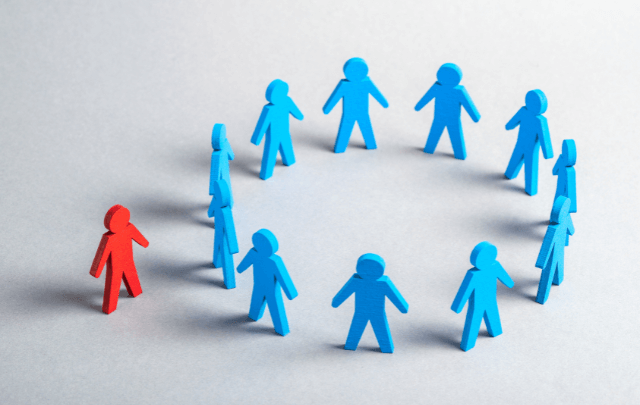
Have you ever received less courtesy or respect for no reason whatsoever? But you suspect it is because of your race, sex, disability, ethnic origin, age, or religion. This is a classic case of discrimination. It could be harassment, threats, or poorer service at stores or schools.
Other times, it could be subtle or unintentional and considered harmless fun by others. This could affect your mental health and cause social isolation. It can also hinder career opportunities and lead to agitation and violence.
It’s Zero Discrimination Day; this article talks about the major effects of discrimination.
The Major Effects of Discrimination
The impact of discrimination can last a lifetime.
1. Psychological and Emotional Consequences
Discrimination impacts the quality of one’s life. It can increase the risk of depression and anxiety, and many victims develop low self-esteem. They are similarly more susceptible to post-traumatic stress disorder (PTSD).
These can make them feel inadequate, leading to hopelessness. This is not a good state because of the associated risk of mental health issues and substance abuse.
2. Interpersonal Effects
Humans are social beings, and interactions are essential to us. Prejudice can make people withdraw from social activities. This causes strain on relationships and segregation within communities.
It’s also difficult for them to form trusting relationships because of limited interactions.
Moreso, they may not fully integrate into society out of fear of rejection and judgment. This limits their access to opportunities and resources. It also increases the likelihood of them engaging in risky behaviors and addictions.
Also Read: Human Conscience: Where Did It Come From?
3. Economic Disparities
Stereotypes limit access to work opportunities and career growth. It can increase unemployment levels, wage gaps, and income inequality. And so people who suffer discrimination may experience financial hardship and poverty.
In addition to this, discrimination at work leads to lower job satisfaction and higher turnover rates. Besides the victims, the resulting reduction in productivity affects businesses and the economy.
4. Health Disparities
This is one of the major unreported major effects of discrimination. Bias builds up pressure on victims, which increases their stress levels. This can disturb their immune function and cause cardiovascular diseases.
Furthermore, most marginalized communities lack good preventive care and health information. And so, these communities typically have a higher prevalence of health issues and poorer health outcomes. This is in addition to low-quality healthcare.
5. Educational Inequities
Discrimination limits access to many educational resources, facilities, and technologies. This arises due to the contrast in funding between schools in affluent and low-income communities.
They also have less access to quality teachers, advanced coursework, and extracurricular activities. As a result, the students mostly have a lower quality of education, lower academic achievement, and higher dropout rates. These further impact college admissions and other life prospects.
6. Political Marginalization
A combination of factors contributes to political marginalization. Social isolation and a poor academic background are typical examples. They result in underrepresentation in relevant governing bodies and politics.
Accordingly, it reduces the opportunity for political engagement and impairs certain policy decisions. Without their political input, it’s difficult to achieve meaningful social change.
7. Legal Injustices
Without consequences, offenses persist. In the absence of equal protection, people suffer from discrimination and have no access to justice. And they continue to suffer.
This occurs in several ways. They include profiling, incarceration, hiring practices, denial of housing, or the house-buying process.
Also Read: Challenges Women Judges Face in the 21st Century
8. Intergroup Conflicts and Divisions
Discrimination hardly takes place in isolation; it often involves a group of people with more power. If it escalates, it can lead to tension and hostility between groups, resulting in hate crimes, conflict, and even war.
Popular cases are the Apartheid era in South Africa and the Rohingya crisis in Myanmar.
Also Read: 9 Means to Achieve World Peace Amid Diversity
9. Generational Impact
The effect of discrimination cuts across generations. Those guilty of discrimination pass down their biased attitudes and beliefs.
In the same way, victims pass on trauma and coping mechanisms from one generation to the next. And so the practice continues to delay societal progress and equality.
Moreso, it has lasting effects on family structures and economic opportunities.
10. Loss of Human Potential
Humans have unlimited potential, and discrimination can lead to neglected opportunities. This is due to a waste of talents, abilities, and possibilities.
For instance, in employment and education, it hinders innovation and progress in various fields. Similarly, it causes poor performance from the loss of broad opinions and contributions.
Zero Discrimination
Everyone deserves fair treatment, irrespective of who they are or where they come from. While the victims suffer a great deal from it, it also affects the oppressors because of its ripple effects.
To repel the major effects of discrimination, equal rights, and opportunities must be available to all.
Also Read: 10 Common Misconceptions About Women


Leave a comment