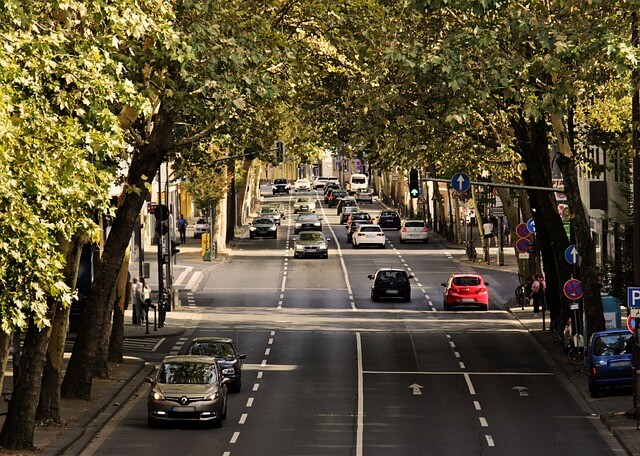
The countryside or rural areas have a calming and rejuvenating appeal thanks to biodiversity. These features are lacking in urban areas because of buildings, city landscapes, and pollution. It’s probably the reason why cities are called concrete jungles.
However, biodiversity is more than aesthetics, nature, or a scientific term for environmentalists. They are a collection of habitats and ecosystems with a variety of plants and animals. These ecosystems sustain our food systems, improve air quality, and regulate temperatures.
Though cities have limited spaces, dense buildings, and busy lifestyles, they can still be full of life. And achieving that will require allowing plants and animals to get shelter, food, and mates to survive.
It’s the International Day of Biological Diversity. Read on to learn how to increase biodiversity in your space and your city.
Understanding Biodiversity
Biodiversity encompasses all living things, from whales to cacti to bacteria. They include diverse life forms within species, between species, and in ecosystems. Beyond the numbers, the intricate relationships between the organisms are very important.
Biodiversity provides essential services like pollination, climate regulation, and nutrient recycling. Irrespective of the ecosystem, these services are vital for our survival and well-being.
10 Ways to Increase Biodiversity in Urban Areas
Here are 10 ways to boost biodiversity and create a thriving urban ecosystem:
1. Embrace Native Plants
Native plants are indigenous plant species in a specific region or ecosystem. They are a major opportunity of how to increase biodiversity. These plants provide food and shelter for local pollinators like bees and butterflies.
They likewise attract a wider variety of wildlife, like birds and small animals, creating a thriving food web. Because they adapt to local conditions, they require less water and are often resistant to local pests and diseases.
2.Transform your Balcony
Space is a common limiting factor for city dwellers, especially if you live in an apartment. Still, your balcony can become a mini-habitat that provides food and shelter for insects and small birds. You can plant flowers and herbs to attract pollinators. It doesn’t have to be a fancy pot; even a small container garden will do.
This makes you a tiny link in a bigger urban ecosystem, supporting a variety of life in the city.
Also Read: Will a Bee Sting You for No Reason

3. Utilize Rooftops, Yards, and Fences
If you have a yard, available fences, and a rooftop, you can turn them into a green area. They will provide a healthy and diverse ecosystem for all inhabitants, both humans and nature.
Besides beauty, rooftop gardens have other advantages. They regulate building temperatures, which further reduces the urban heat island effect. This is significant because urban areas experience higher temperatures.
4. Minimize Outdoor Light at Night
Several nocturnal animals hunt and reproduce at night. But in the city, excessive outdoor light can disrupt these essential activities. Minimizing outdoor light at night will reduce this disruption and allow them to thrive.
This is not to say that you have to turn off every single outdoor light; rather, you can use shielded outdoor lighting.
5. Urban Forests
Who says forests cannot be within the city? Urban forests can improve biodiversity in bursting cities. They can provide food and shelter for a variety of birds, insects, and small animals like squirrels.
The diverse plants in urban forests also help regulate and cool the city’s temperature. In addition, they improve air quality by absorbing carbon dioxide, which is good for humans and wildlife.
6. Wildlife Corridors
Urban landscapes contribute to the loss of biodiversity. That’s because buildings, linking roads, and large populations destroy natural habitats.
Inner-city wildlife corridors or greenways can connect patches of these disrupted habitats. This could be a careful continuation of ecosystems across motorways and bridges to allow animals to move freely. It will increase their chances of survival and maintain healthy populations.
Also Read: The Importance of Wildlife: No Exaggeration
7. Integrated Urban Planning
A thoughtful urban plan fosters a harmonious co-existence of humans and nature within the city. That’s because city design with biodiversity considerations can significantly boost biodiversity.
Typical examples are parks, neighborhoods with green space, and wildlife-friendly features. Additionally, it encourages sustainable practices like permeable pavements that reduce runoff.
8. Reduce Pesticide Use
Pesticides affect a wider range of organisms than their intended targets. Reducing its use will protect many insects, butterflies, and other beneficial creatures.
This might be a challenge in tropical climates because of insects like mosquitoes. Yet, you can achieve it by using different measures, like bed nets or netted windows.
9. Sustainable Stormwater Management
Many cities mostly rely on storm drains and pipes to channel water away from streets and buildings. But this system can cause flooding, pollute waterways, and harm aquatic life.
Green infrastructure, like rain gardens, can resolve this while replenishing groundwater. Rain gardens are shallow, vegetated depressions that temporarily hold and slowly release runoff.
They typically contain deep-rooted plants that can withstand drought and saturation. A rain garden can provide food and shelter for animals, creating a more diverse urban ecosystem.
Also Read: 7 Reasons Tuna Is So Expensive
10. Educate and Inspire Others
To a lot of people, biodiversity is all about oceans, safaris, and deserts. As a result, they need to be made aware of how biodiversity benefits humans and the earth.
Biodiversity awareness may motivate the adoption of green areas. It could encourage people to plant gardens, reduce water waste, and support green initiatives.
This collective action can have a ripple effect in transforming your city into urban habitats that sustain a wider variety of life.
You can Make a Difference
Biodiversity is a complex issue, especially in urban areas. Still transforming your space and the collective efforts of others is how to increase biodiversity.
These ideas will create a more diverse and vibrant urban environment and a healthier planet for all.

Leave a comment