
Witnessing your child struggle in the water is a terrifying experience for any parent. You will be relieved when the child is pulled to safety, but the ordeal isn’t necessarily over.
Hours or days later, this same child may have life-threatening issues due to the near-drowning experience. This is the typical case of secondary drowning, also often called dry drowning.
This term is not a medical one; rather, it was coined by the media. However, drowning is the third leading cause of unintentional injury and death, and children are most affected.
As we celebrate World Drowning Prevention Day, let’s see exactly what secondary drowning is and why parents must be vigilant.
Drowning vs. Secondary Drowning
Though both are related, here’s how they differ:
Drowning
Drowning occurs when a person’s airway is submerged in water, leading to an immediate lack of oxygen.
Secondary Drowning
This happens when a small amount of water enters the lungs, causing inflammation and fluid buildup. The person may appear fine after the incident but will develop symptoms hours later.
Understanding the Risk Factors of Secondary Drowning in Children
Several factors contribute to secondary drowning.
Age
Children under the age of 4 are the most vulnerable to secondary drowning. This is like drowning, where children between 1 and 4 make up the highest drowning rate.
Their small airways and lack of developed swimming skills make them more susceptible to inhaling water.
Also Read: Important Facts to Know About Down Syndrome
Swimming Ability
Although the ability to swim is helpful, strong swimmers can still experience secondary drowning. A sudden gulp of water while swimming, diving, or playing can lead to water entering the lungs. This poses a risk to children, irrespective of their swimming abilities.
Water Conditions
Rough waters, like the ocean or lakes, can increase the risk of inhaling water. But, safe environments like pools or bathtubs can also be dangerous without precautions.
Health Conditions
Children with pre-existing health conditions are at a higher risk of experiencing severe symptoms.
This is particularly true for children who have asthma or other respiratory issues. The same applies to those with immune-related conditions.
Also Read: 12 Diseases of Global Concern and Contributing Habits
Warning Signs to Watch For
Recognizing the symptoms of secondary drowning makes room for prompt intervention.
First Signs of Secondary Drowning
These are immediate indications that the child may show up after the water incident.
Respiratory Distress
The child will have difficulty breathing and will also be coughing or wheezing.
Behavioral Changes
They will show signs of fatigue, impatience, or unusual behavior.
Delayed Symptoms of Secondary Drowning
These signs manifest later, even after 24 hours or more.
Increased Difficulty in Breathing
This indicates worsening functioning of the lungs and immediate medical attention is needed.
Persistent Cough
They will have a continuous cough, which may signal inflammation and irritation in the lungs.
Chest Pain
The child will have discomfort in the chest area because of fluid buildup.
Lethargy or Confusion
You will notice unusual tiredness or difficulty concentrating.
Fever
In some instances, they can develop a fever as the body fights back.
What to Do If You Suspect Secondary Drowning
Should your child show the symptoms above, you need to act fast.
Seek Immediate Medical Attention
Once you suspect secondary drowning in your child, seek urgent medical attention. As with many medical cases, early intervention increases the chances of a positive outcome.
Explain the Situation to Healthcare Professionals
Describe the incident to healthcare professionals as much as you can. This should include details about the initial event and any symptoms your child is experiencing. Comprehensive information will hasten the diagnosis and treatment of your child.
Prevention is Key
Though secondary drowning can be a serious concern, it is rare. Still, preventing drowning is the best defense.
Water Safety Education for Parents and Caregivers
Water safety education for parents and caregivers can prevent many drowning incidents. This includes the early enrollment of children in swimming lessons. And also understanding the dangers of natural bodies of water. Besides this, parents need to secure their pools and spas with covers and fences.
Supervision and Flotation Devices for Children in Water
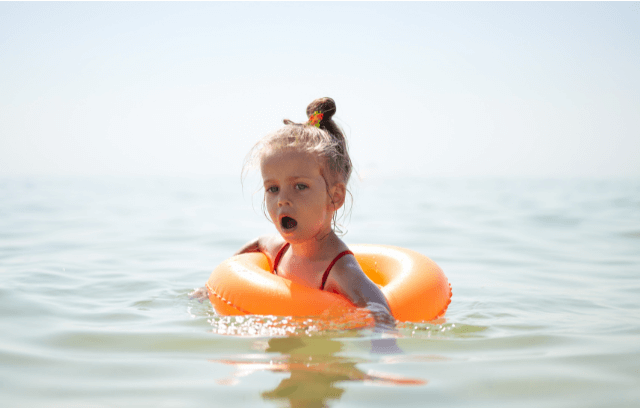
Children must always be under supervision around water. You will also need to make sure they use appropriate flotation devices. Even in shallow water, vigilant supervision is necessary to prevent accidents.
CPR and First Aid for Water Emergencies
Learning how to do chest compressions and rescue breathing is a lifesaving skill. Especially in drowning situations, more so as a parent or caregiver. In the same way, proper water rescue techniques can reduce the chances of this tragic event.
You must continue monitoring your child for symptoms for at least 24 hours after the incident.
Also Read: Understanding the Signs of Parental Alienation
Conclusion
Secondary drowning in children is preventable with awareness and quick action. Understanding the risk factors and recognizing the symptoms will help you protect your child.
This essential knowledge will not only reduce the risk of secondary drowning but also of drowning.

Leave a comment