
What do you hope to achieve with your posts, videos, or any content you share online? Whether you are a business owner or new to content creation, a clear answer is crucial. Because having measurable content goals is key to a successful content strategy.
The number of reels, blog posts, and live sessions will amount to nothing without a clear direction.
If you seek clarity on setting clear content goals, you’ll love this article. It will help you define your objectives and create content that aligns with your goals.
Summary
The Power of Content Goals
Types of Content Goals
Criteria for Goal Setting
Steps to Define Content Goals
Examples of Clear Content Goals
Creating an Action Plan
The Power of Content Goals
Content goals are not exactly your business goals, even though they can contribute to them. They are specific, relevant, and quantifiable objectives that direct how you create content.
Clear content goals help you track your progress and identify areas that need improvement. It will also guide how you create and distribute your content in ways that will likely get you better results.
This approach not only saves time and resources but also enhances the performance of your content.
Also Read:A Guide to Understanding Different Content Types for Better Results
Types of Content Goals
Your goals should be more than clicks or shares; they need to suit your niche and business goal.
- Awareness: This increases the visibility of your brand and expands its reach.
- Engagement: Improve audience interactions with your content; they include likes, shares, and comments.
- Conversion: Turn your audience from content consumers into leads, customers, or your desired action.
- Retention: Strengthen relationships with existing customers and maintain their loyalty to your brand.
- Education: Inform your audience about specific topics, products, or services.
Note that you can have many goals, and they can evolve based on your needs at different times.
Explore Further:Speak from the Heart: Find Your Unique Writing Voice
Criteria for Goal Setting
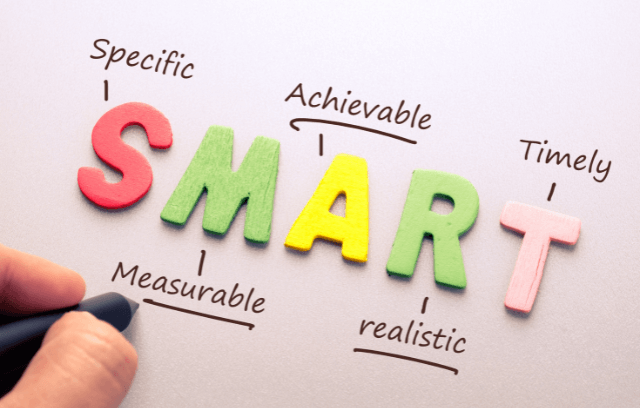
Use the SMART acronym for guidance in setting clear content goals.
- Specific: Be certain of what you want to achieve and avoid any vagueness.
- Measurable: Your goals should have metrics and KPIs for monitoring your progress.
- Achievable: Ensure they are realistic and attainable with the resources you have.
- Relevant: Align your content goals with your broader business objectives.
- Time-bound: Set deadlines to maintain focus and a sense of urgency.
Steps to Define Content Goals
Remember that your content isn’t for you but for your audience. If you don’t know and understand your audience, you might be creating irrelevant content.
1. Determine Your Audience
Identifying your audience helps in setting clear content goals. To do this, you must consider who your ideal reader or customer is; don’t base this on assumptions. What are their needs, wants, and pain points that your business and content can address?
If you haven’t identified your target audience yet, it’s best to create a person to understand them better.
2. Audit your Content
Review your content to identify what has worked well for you and what hasn’t. Note the strengths, weaknesses, and opportunities for improvement.
3. Analyze Your Competitors’ Content Strategy
Observe and learn from your competitor’s successes and failures, but avoid copying their content strategy. Instead, find inspiration to create your unique content.
4. Set up Benchmarks
Determine the metrics you’ll use to measure your progress.
5. Combine with your Business Goals
Your content goals should align with your business objectives.
Examples of Clear Content Goals
Here are examples of clear content goals:
- Increase Blog Traffic: Increase the number of monthly visitors to a blog by 25% within the next six months.
- Boost Social Media Engagement: Get a 50% increase in engagement across all my social media platforms within three months.
- Generate Leads: Gain 50 eligible leads through content marketing in the next quarter.
- Improve SEO Rankings: Rank in the top 10 search engine results for the keyword ‘content creation’ within six months.
- Improve Customer Education: Create 5 educational blog posts, 8 social media posts, and 2 webinars within the next two months.
Learn More About SEO Content Writing Tips for Beginners
Creating an Action Plan
Now that you know how to define your content goals, it’s time to create an action plan.
Content Calendar
A content calendar is essential for content planning and scheduling. It ensures a consistent content flow of your content and helps you stay organized.
Resource Distribution
Sort out the resources you’ll need to achieve your content goals, such as time, budget, and personnel.
Content Formats
Your niche, target audience, and platform of choice will determine the format of your content. This could be blog posts, videos, or emails.
Related Post: A Guide to Understanding Different Content Types for Better Results
Content Distribution Channels
Identify where your target audience spends time and distribute your content there. For example, if your audience is young females who prefer images, Pinterest may suit you better. So you should focus on creating more pins for better visibility.
If nurturing your audience is needed, an email list may be best for you. You can begin with one or two and eventually diversify across more channels to maximize your impact.
Evaluating Your Content Goals
The only way to know how effective your goals are is to track them.
Track Your Progress
Use analytics tools to check how your content is performing. There are paid tools as well as free ones like Google Analytics and social media insights.
Assess Success
Review your goals from time to time to assess progress and adjust where necessary.
Modify Your Content Strategies
Be flexible and tweak your content strategy based on what is working and what isn’t.
Create New Goals
As you achieve your goals, set new ones. Success is a continuous process, and so is your content strategy.
Conclusion
Without a clear direction, your content will get lost among a million others. Setting clear content goals keeps you on track in your content journey. It helps you create the right content for the right people while maximizing your effort.
Use this approach to achieve results for your content.
Did you find this helpful? I’ve written other articles on content creation processes that might interest you.
And if you need help with your blog or articles, feel free to reach out. I specialize in writing well-researched, informative, and engaging SEO content.


Leave a comment