
Have you ever sent an important email only to see a typo right after hitting send? This happens quite often. But does that make it acceptable? No, not really.
Nobody likes to see errors in their writing, let alone knowing that others will see them too. That’s where proofreading can save the day, or rather your writing. This is the process of reviewing and correcting your work before you publish, post, or send it.
Writing takes a lot of time and effort, and we are often in a rush to round up. But taking the time to edit ensures your content is error-free and professional, and this is crucial.
Whether it’s a blog post, an Instagram caption, or an email, every piece of your writing should be of the highest quality.
Read on to learn the importance of proofreading and some helpful editing tips.
Why is Proofreading Important?
The importance of proofreading goes beyond finding mistakes; it can alter your content. Your first impression is everything. Errors can create a negative impression on readers, especially if it’s their first time interacting with your brand.
Proper reviewing makes your audience, clients, and readers trust your content. It also helps you maintain your brand voice across all your writings. This consistency builds a coherent message that reinforces your content strategy.
Explore Further: 10 Proven Steps to Build a Consistent Brand Voice Across Social Media
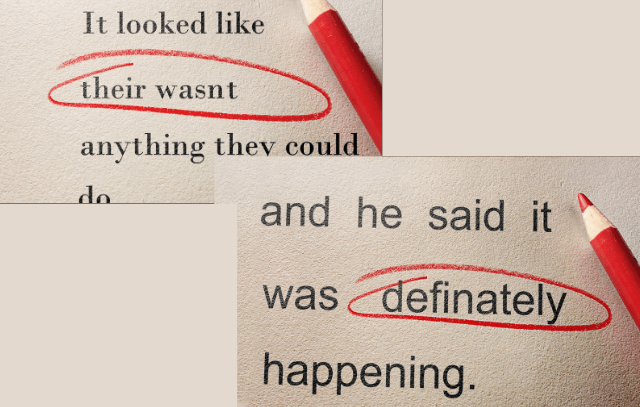
Common Errors to Look for When Proofreading
Understanding the importance of proofreading is the first step to knowing the errors that can impact your writing. There are mistakes to watch out for:
Spelling Mistakes
Spelling errors are the most common mistakes in writing. But the smallest typo can harm your credibility. That’s why it’s important to carefully review because it can impact your reader’s perception.
Grammar Errors
Using incorrect grammar can affect the readability of your content. It also makes it look unprofessional.
For example, “your” and “you’re” are common errors; the sentences look alike but they have different meanings. This and more mistakes can easily be avoided with careful editing.
Other grammar errors include homophones, tense consistency, and subject-verb agreement.
Related Post: Editing Tips to Polish Your Content to Perfection
Punctuation Issues
A wrongly placed comma or period can change the meaning of your sentence. Take a look at this example:
“Let’s eat, Daddy” and “Let’s eat Daddy.”
They are the same words, but the placement of the comma gives it a different meaning. Do you know that companies have lost huge sums of money because of a misplaced comma? The right punctuation helps you pass your intended message across.
SEO Tip
You might be surprised to see SEO here. You shouldn’t; every piece of content is now optimized for search engines, not just blogs and articles anymore.
The benefit of proofreading extends to SEO because search engines favor error-free content. This is because typos and poor grammar can make your content difficult to understand. This could negatively affect your rankings as well as your bounce rates.
Learn More About SEO Content Writing Tips for Beginners.
Techniques for Effective Proofreading
Now that you know the importance of proofreading, let’s see some tips that can increase your editing skills.
Take a Break
Step away from your content for a few hours before you begin your review. This gives you a fresh eye and perspective and makes it easier to catch mistakes you might have missed.
Read Aloud
Reading your content out loud can help you identify awkward parts of your sentences as well as improve your flow. It allows you to match your text with your writing voice, which makes your content more engaging.
Use Digital Tools
Proofreading tools like Grammarly, QuillBot, and ProWritingAid can help you easily catch mistakes. They highlight spelling errors, improper punctuation, and grammar errors.
Beware; though these tools are helpful, they can make mistakes, so give it a final look.
This Might Interest You:Top Writing Tools for Content Creators You Need Right Now
Seek Peer Review
Peer review isn’t for academic writing alone. Ask your friend or a fellow writer to help you review your content.
An extra eye can catch errors that you might miss, and they also provide valuable feedback. But be sure to return the favor when others need the same help.
Double-Check Facts
There’s more to proofreading than grammar, punctuation, and spelling. Dates, names, and statistics need to be correct as well. Verify these to ensure that your content is error-free and credible.
In 2015, a Japanese financial company lost millions of dollars due to the wrong share price listing.
Proofreading Is a Non-Negotiable Task
Proofreading may seem like a little step, but it’s an essential part of your content creation process.
The right spelling, grammar, punctuation, and facts improve your content quality. It makes it professional and ensures your message is clear and accurate.
So, before you hit “publish” or “send,” remember the importance of proofreading—it can save you from embarrassing mistakes.
Did you find this helpful? I’ve written other articles on content creation processes that might interest you.
And if you need help with your blog or articles, feel free to reach out. I specialize in writing well-researched, informative, and engaging SEO content.


Leave a comment