
Keyword research is the bedrock of SEO, but the hunt for keywords can be daunting. The thing is, keyword research is essential because it helps you understand what your target audience is searching for.
The content you create with these keywords will get you the visibility you desire, whether on search engines, social media, or AI output.
This post will reveal easy keyword research techniques that you can follow. Whether you are a small business owner or a budding content creator, this article will help you create in-demand content.
Read on to learn how to find keywords that will make your content discoverable online.
Summary
- What’s New in Keyword Research?
- Search Intent: The First Step to Keyword Research
- Effective Keyword Research Techniques
- Modern SEO: Keyword Research for AI, Voice, and Video Search
- Keyword to Content: Real-World Example
- Ways to Use Keywords Across Platforms
- Final Thoughts
What’s New in Keyword Research?
More and more people make searches beyond traditional search engines. People make queries everywhere – Pinterest and Google Lens (visuals), Alexa (voice), social media, and AI.
As a result, keywords influence visibility across many platforms irrespective of the content type.
Search Intent: The First Step to Keyword Research
The essence of a keyword is search intent – what people searching really want. Search intent determines the keywords you will use and even the kind of content to create. Whether your content will teach, guide, sell, or compare.
There are four types of search intent; understanding their differences will help you match your content with intent.
Types of Search Intent
Informational Search Intent
Examples of these keywords include “how to bake a bread”, what is YouTube SEO”, “benefits of intermediate fasting” and “how to raise brilliant children”.
Informational search intent caters to people who want to learn about something; it teaches.
Navigational Search Intent
Examples of these keywords are “Google email login “, “CNN weather,” and “Red bus booking.”
These searchers want to go to a particular page or website; they need guidance.
Transactional Search Intent
Examples of transactional keywords include “discount walking shoes”, “buy affordable laptops” and “buy pizza near me”.
People searching for these keywords want to make purchases, so the right content must sell to them.
Commercial Search Intent
Examples of keywords with commercial intent are “best proofreading tools”, “best laptops for kids”, and “top-rated juicers”.
These searchers intend to research products they hope to buy or services they may need in the future; they are comparing.
Are searchers looking to learn, find a page, compare or buy? Knowing your target audience’s search intent will help you determine the type of content and format.to create.
However, a keyword can often cover more than one search intent.
Effective Keyword Research Techniques
Use these tips to find relevant keywords for your content.
1. Begin with Seed Keywords
Start your keyword research by looking for raw ideas. Consider the frequent questions you get through your comments, DMs, and emails.
Check online communities and groups on Facebook, Reddit, and Quora for common questions in your niche.
In addition, you can type in your ideas in the Google search bar to find common queries. Amazon reviews are also an excellent spot for seed keywords.
Identify the phrases and patterns in how your target audience describes their problems. Your audience’s point of view is a goldmine of the right keywords and content.
2. Begin from Seed to Long-Tail Keywords
Start your keyword research with broad keywords and then narrow and expand.
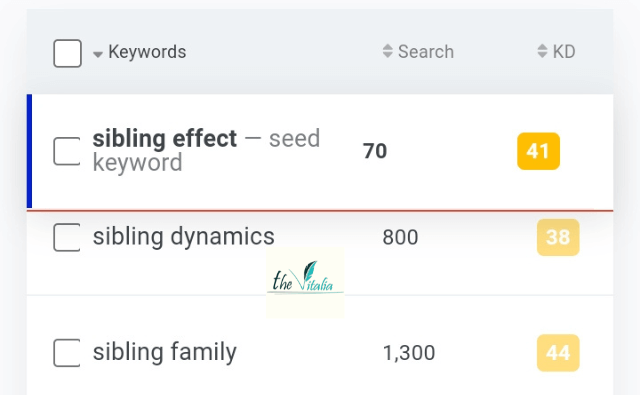
Consider this broad keyword: “keyword research”. This seed keyword will be highly competitive and difficult to rank for.
Check out the expanded keyword: “Easy keyword research tips and tools for beginners”.
Longtail keywords are more specific and often less competitive, making it easier to rank for. And because they are conversational, they work best for AI responses and even featured snippets.
3. Observe Your Competitors
Everyone needs inspiration; your competitors can be an excellent source of rich keywords.
Whether on Google, Etsy, TikTok, or Amazon, spying on your competitor’s keyword strategy can be beneficial.
Use tools like SEMrush, UberSuggest, and other SEO tools to see what those in your niche are ranking for.
The goal is to find opportunities for low-difficulty keywords and gaps you can cover with better content.
4. Real-Time Search Features
Another excellent way to find quality keywords is to use platform search bars. You can find these keywords with the autocomplete features on Google Autosuggest and “People Also Ask.”
TikTok search bar, Pinterest search suggestions, and YouTube’s search also reveal these keywords. They will show you what people are looking for and help you validate your ideas.
5. Organize and Cluster Keywords to Enhance Your Content Strategy
Finding relevant keywords is sometimes a piece of the puzzle; organizing it is where the power lies. Keyword clustering develops your content strategy and helps you become an authority.
It will keep your audience on your site or page longer and provide a measurable pathway.
How to Organize and Cluster Your Keywords
- Group your keywords by theme or topic.
- Create a central or pillar post and cluster content to support your pillar post.
Here’s an example:
- Pillar post: “Ultimate Keyword Research Guide”
- Cluster Posts: “7 Best Free Keyword Tools”, “Keyword Research for TikTok”, “Understanding Commercial Search Intent”
You can see that the cluster posts enrich the pillar post while meaning the same niche. Google Docs, or tools like Notion or Trello, are helpful for tracking keywords and content strategies.
Learn about SEO Content Writing Tips.

5. Tools for Keyword Research
You can use several SEO tools to find keywords, but the good thing is that you can start for free. However, choose the tools that suit your preferred platform (e.g., TikTok) and content (eg, blog).
Here’s a list of a few keyword research tools:
Google Keyword Planner: This free, basic tool shows the volume data for keywords, but it’s not enough for detailed keyword research.
Google Trends: Find trends and seasonal keywords on Google Trends.
Ubersuggest: You can get real content ideas from this user-friendly tool, and you can access it for free.
AnswerThePublic: Get questions and comparisons of questions and statements people are searching for. AnswerThePublic has a decent but limited free plan.
Ahrefs / SEMrush / Moz/ Keywords Everywhere / LowFruits.io/ KeywordTool.io
You can find keywords with search intent, volumes, and more on these tools. They will show you ranking pages, keywords, and more data that help track SEO strategy.
AI Tools: AI tools like ChatGPT can brainstorm keyword variations and generate topic clusters and gaps with the right prompt.
It’s best to start with a free keyword research tool before investing in paid tools. Luckily, several of these tools offer limited keyword search options.
Begin with free tools, validate your niche, and only invest in paid tools once you’re ready to scale.
Modern SEO: Keyword Research for AI, Voice, and Video Search
SEO has changed in the last few years with the rise of AI, voice search, and video content. Use these tips to get the right keywords for these changes.
AI Tools
You can use AI tools like ChatGPT to generate keyword outlines or ideas. They are also effective for automating topic clusters and even content briefs.
While AI tools are faster with drafting and refining, revise to ensure it suits your goals and is error-free.
Voice Search Optimization
As more people make voice searches, keywords need to suit natural spoken language instead of being written only. Consider what people will say and not only what they will type.
Video SEO
Whether for TikTok, YouTube, or Instagram, keywords matter for visual content. Include your keywords in video titles, descriptions, at the beginning of your video content, and on-screen captions.
TubeBuddy and VidIQ are excellent tools for YouTube SEO, and there are also SEO tools you can use to find relevant keywords in your niche.
Don’t miss our post on the role of SEO in content creation.
Keyword to Content: Real-World Example
Let’s put our keyword research technique into practice.
Seed or Broad Keyword: keyword research
Example of Relevant Keyword: “Top 10 free keyword research tools”
- Search Intent: Informational/ Commercial
- Next Steps:
- Check ranking on search engines like Google?
- Verify the search volume and keyword difficulty on SEO tools.
- Create content (blog post, social media post, or video script) comparing free keyword research tools.
- Depending on your initial content form, you can repurpose it into a video, podcast, Instagram carousel, or Pinterest pin.
That’s how to use one keyword to make content in different forms that works across various platforms.
Related Post: Effective Content Distribution Strategies
Ways to Use Keywords Across Platforms
Gone are the days when keywords were for Google alone. While Google is still the dominant search engine, YouTube and Pinterest are also search engines.
Moreover, social media posts and videos also rank on search engines like Google.
Here’s how to use keywords across different platforms:
For Search Engines Like Google and Bing
- Include keywords in page titles, meta descriptions, H1s, body text, and image alt text.
- Match your content format to search intent. Whether you are creating a. guide, checklist, or tutorial, ensure it answers the desires of searchers.
YouTube
- Add keywords in titles, video descriptions, tags, and say it early in the video.
- Use explanatory keywords in your pin titles and boards, and make them suitable for visual searches.
Instagram/TikTok
- Add keywords to captions and the content body, where possible, and use relevant hashtags.
- Leverage trending audio and connect your content to it.
Final Thoughts
Keyword research isn’t limited to web content alone; it impacts how your content is found online. Begin by understanding search intent and creating quality content to satisfy your audience’s needs.
Use these keyword research skills to learn, test, and grow your content to your target audience’s desires.
Start one keyword at a time and let your content work for you.


Leave a comment